When the Casino Became a Destination in Its Own Right
Casino destination design turns gaming into one part of a fuller outing, helping visitors understand how dining, entertainment, and shared spaces shape a stay.
When did a casino stop being merely a room of games and become a destination? The shift is visible in casino destination design: the entrance, dining rooms, live performances, and places to pause all help shape the outing before anyone reaches a gaming floor. In Tam Điệp, where a visitor’s expectations may be informed by travel, film, or resort imagery rather than a local casino complex, it helps to read this presentation as a leisure format—not as a promise about what any particular venue offers.
The journey begins before the gaming room
In an older, simpler idea of a casino visit, the attraction was concentrated in the gaming room. A doorway led toward tables or machines, and the rest of the building served the practical purpose of getting people there. Destination framing changes the route: a lobby, restaurant, event space, or hotel can become part of the reason for arriving.
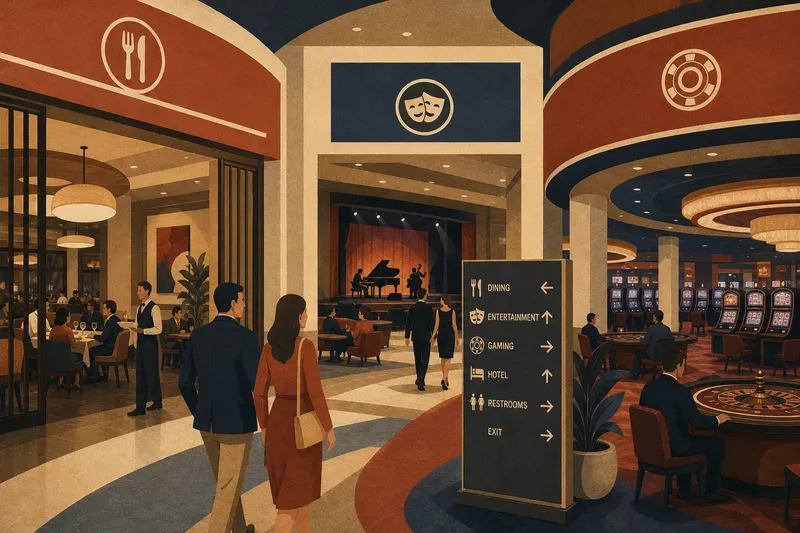
Notice what a visitor encounters first. A broad entrance and a visible restaurant suggest an outing with several possible activities; a corridor that quickly funnels people toward gaming keeps that activity central. Neither arrangement tells you what the games are like, but each makes a different claim about how the venue wants to be used.
- Look for the first point of choice. Can a visitor head to a meal or performance without crossing the gaming area?
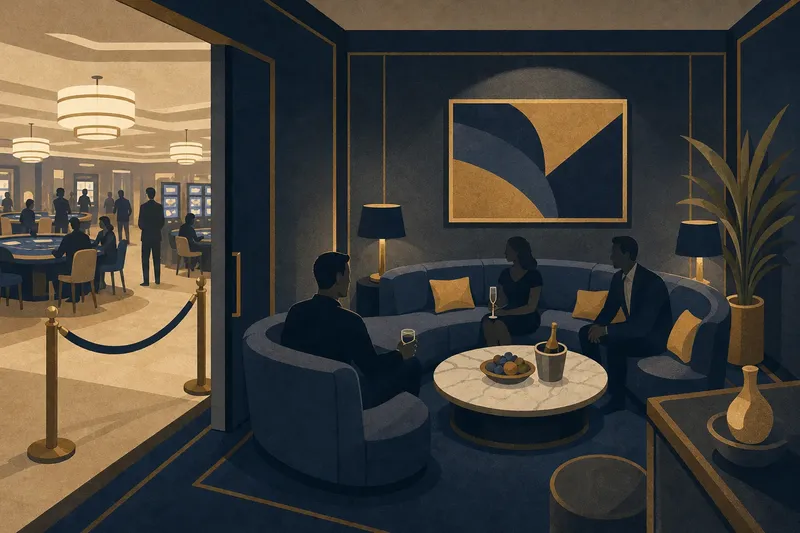
- Notice whether shared spaces have their own purpose. A lounge with seating and a clear view of a stage functions differently from a passage dressed to encourage movement.
- Read signs as a map, not decoration. Clear directions to dining, restrooms, and exits make a large venue legible to people who are not there to play.
Separate activities create a fuller visit
A destination venue works by placing distinct leisure options within one trip. Dining can provide a reason to arrive early; a show can give the evening a fixed center; a hotel or other accommodation can extend the stay. The casino is still present, but it no longer has to explain every hour of the visit.
This difference matters for people traveling together. One person may want to play, another may prefer dinner, and someone else may simply want a comfortable place to meet afterward. When the spaces are easy to find and do not require everyone to follow the same route, a group can share an outing without sharing every activity.
Say a couple visits a fictional resort venue for a scheduled music performance, while one person also plans to spend time gaming. If the restaurant and theater entrance are clearly separated from the gaming floor, they can agree on a meeting point and enjoy different parts of the visit; if all routes pass through the gaming area, coordinating that evening may take more effort.
Design can invite visitors without explaining the experience
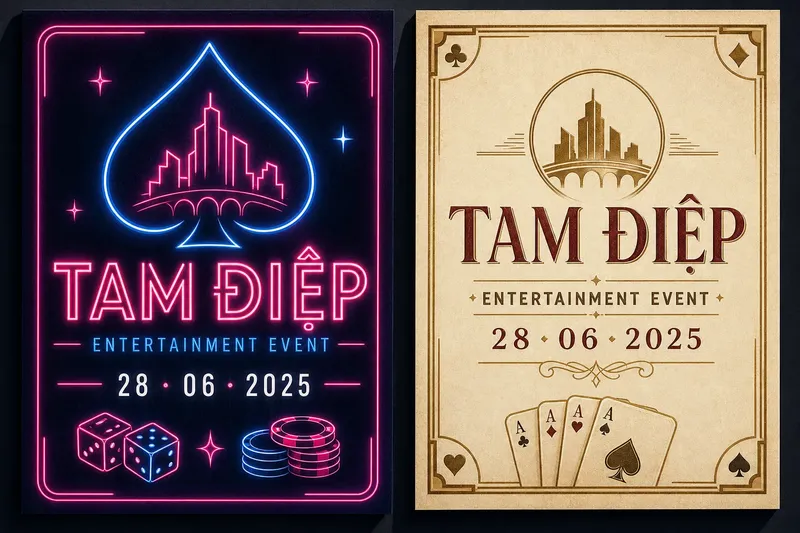
Destination language often relies on a sense of abundance: several restaurants, prominent entertainment, dramatic interiors, and a busy calendar. These are cues about atmosphere and choice, not evidence that every activity will suit every visitor. A poster can make an event look central while its schedule, access, or seating details remain unclear.
Look for practical information beside the spectacle. A venue’s own event listing, restaurant menu, accessibility details, and transport information answer different questions from a glossy image. If a visit depends on a particular performance, meal, or accommodation, confirm availability directly with the provider rather than inferring it from the general destination presentation.
What is not worth the effort? Trying to decode a venue’s entire business model from a lobby photograph or a slogan. Such clues can show what the design emphasizes, but they cannot establish the quality, cost, or suitability of an experience.
What should a visitor look for?
How can you tell whether a venue is framed as a destination?
Check whether its public information treats dining, events, accommodation, or social spaces as independent reasons to visit. A single gaming-focused entrance and a list of games suggest a narrower outing than a connected program of activities.
Does a destination format mean gaming is less central?
Not necessarily. Gaming may remain the largest or most visible activity, even when the venue also promotes meals and entertainment; the point is that the visit is presented as having other options.
What should a group agree on before arriving?
Choose a meeting place and decide which activities are shared and which are optional. Checking event times, dining arrangements, and the location of entrances can prevent one person’s plan from becoming everyone’s route.
How does this idea apply to Tam Điệp?
Use destination imagery as a way to compare leisure formats, not as proof that a local venue has the same facilities as a large resort. For any real outing, rely on current information from the specific organizer or venue.
Look at the connections between spaces
The strongest sign of a destination is often not a grand centerpiece but the relationship between ordinary places. A dining room near a performance venue, a calm seating area away from crowds, or signage that lets guests reorient themselves can make several activities feel like one coherent outing. Conversely, a long walk between disconnected attractions may make a venue feel more like a collection of separate businesses.
When comparing venues in photographs or promotional material, trace a visitor’s imagined route from arrival to departure. Ask where someone could pause, meet a companion, or leave without passing through every attraction. That small exercise reveals how the venue organizes leisure more clearly than a list of amenities does.
Casino destination design is ultimately a way of arranging choices around the gaming room, not a verdict on the games themselves. For a visitor in Tam Điệp, the useful question is whether the whole outing—its route, shared spaces, and alternatives—fits the group’s plans. That is often a better basis for deciding where to spend an evening than the promise of spectacle alone.